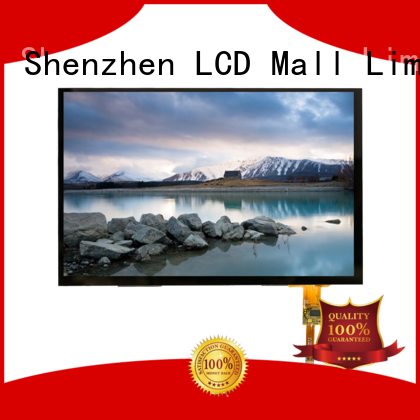
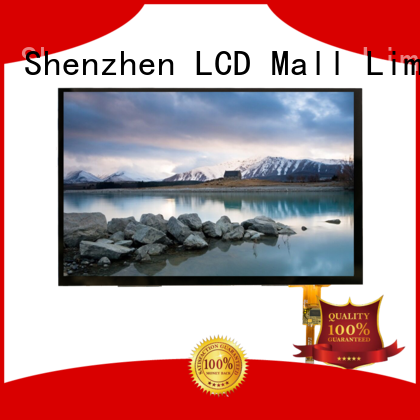
LMM52001: A New 52-Inch Square Digital Signage Display Designed for Maximum Visual Impact2026/09/04 – LCD Mall Limited has announced the launch of the LMM52001, a 52-inch square digital signage display engineered to deliver striking visual communication in retail, corporate, hospitality, and cultural environments. Combining a generous 1:1 square canvas, ultra-sharp 1900x1900 resolution, and integrated Android processing, the LMM52001 offers businesses a powerful standalone solution for immersive brand storytelling.Square Format Meets Large-Scale DisplayThe LMM52001 breaks away from traditional rectangular displays with its 52-inch square form factor, creating a balanced, contemporary aesthetic that naturally draws the viewer's attention. The 1900x1900 resolution ensures exceptional clarity and detail, making it ideal for high-end product showcases, digital art installations, creative video walls, and dynamic messaging in high-traffic commercial spaces.The display achieves 500cd/m² brightness, delivering vivid, readable content even in brightly lit indoor environments such as storefronts, sunlit atriums, and open-plan lobbies.Powerful Standalone PerformanceAt the core of the LMM52001 is the RK3288 quad-core processor, running at 1.8GHz, paired with the Android 5.1.1 operating system. This integrated architecture eliminates the need for external media players or computers, reducing hardware costs and simplifying installation. The system supports smooth full-HD video playback, responsive touch interaction (where applicable), and reliable 24/7 operation.Comprehensive connectivity options, including HDMI, USB, and RJ45 Ethernet, provide flexible content management and seamless integration into existing digital signage networks.Engineered for Commercial EnvironmentsBuilt with a durable metal enclosure and tempered glass protection, the LMM52001 is designed for continuous operation in demanding public and commercial settings. With a panel life exceeding 60,000 hours, the display offers long-term reliability and low total cost of ownership.The square aspect ratio also makes the LMM52001 particularly well-suited for multi-panel video wall configurations, enabling creative grid layouts that deliver immersive visual experiences in event spaces, museums, and entertainment venues.Applications Across IndustriesThe LMM52001 is versatile enough to serve a wide range of applications:Retail: Eye-catching product showcases, social media walls, and promotional displaysCorporate: Lobby welcome screens, internal communications, and real-time data dashboardsHospitality: Digital menu boards, event schedules, and ambient art displaysMuseums & Galleries: High-resolution exhibit presentations and digital art installationsVideo Walls: Scalable multi-display configurations for large-scale visual impactAvailabilityThe LMM52001 is available for order immediately. For pricing, customization options, or to request a demonstration, please contact [Company Name] at [contact email/phone] or visit [website URL].About [Company Name][Company Name] is a leading provider of innovative digital signage solutions, specializing in high-performance commercial displays for retail, corporate, hospitality, and public spaces. With a commitment to quality, reliability, and cutting-edge design, [Company Name] helps businesses around the world transform their visual communication strategies.Media Contact:LCD Mall Limited Professional LCD and Touch Manufacturer/SolutionAdd: Room 405-406, 4B Building, Yunli Tech Park, Jihua Street, Longgang District, Shenzhen 518112 E-mail: Felix@LCD-Mall.com & Sales@AllTouchDisplay.com Whatsapp/Wechat/Mob: 86-13713689582 Skype: felix998 Tel: 86-755-82338789 www.AllTouchDisplay.com www.LCD-Mall.com LCD Mall, More than LCD!
Read More>>